Saturday, 22 March 2025

Udaipur-Nathdwara-Temple Tourism: A Journey Through Spirituality and Culture
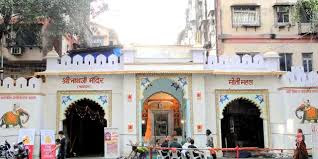
           Udaipur-Nathdwara-Temple Tourism: A Journey Through Spirituality and Culture


Udaipur, often referred to as the "City of Lakes," is one of Rajasthan’s most enchanting cities. It is known for its rich heritage, scenic lakes, palatial architecture, and vibrant culture. Located in the southeastern part of Rajasthan, Udaipur offers a perfect blend of natural beauty and cultural grandeur. A short drive from Udaipur lies Nathdwara, a small town in the Aravalli hills, known for its renowned Krishna temple – the Shreenathji Temple. This sacred destination attracts pilgrims and tourists alike, making it a significant part of the Udaipur tourism circuit. The journey from Udaipur to Nathdwara is filled with cultural heritage and spiritual charm, offering an enriching experience for visitors.

Udaipur – A Glimpse into Royal Rajasthan

Udaipur, the former capital of the Mewar Kingdom, is famous for its majestic palaces, ancient temples, and serene lakes. The city is a living museum, showcasing the grandeur and opulence of Rajasthan's royal history. Some of the key attractions in Udaipur include:

  1. City Palace: A stunning architectural masterpiece that overlooks Lake Pichola, the City Palace is a sprawling complex of courtyards, gardens, and intricate rooms that tell the story of Rajasthan’s regal past.

  2. Lake Pichola: This picturesque lake offers boat rides that provide breathtaking views of the City Palace, Jag Mandir, and the Aravalli Hills. Visitors can enjoy the serene beauty of the lake while exploring its historic surroundings.

  3. Jag Mandir: Located on an island in Lake Pichola, Jag Mandir is a beautiful palace that offers an incredible view of the lake and is a great spot for an evening boat ride.

  4. Saheliyon Ki Bari: The "Garden of the Maidens" is a historic garden featuring fountains, lotus pools, and marble pavilions, designed for the ladies of the royal court to relax and enjoy their leisure time.

  5. Jagdish Temple: A beautiful Indo-Aryan temple dedicated to Lord Vishnu, situated near the City Palace, known for its exquisite carvings and architecture.

The Spiritual Hub of Nathdwara

Located just 48 kilometers from Udaipur, Nathdwara is famous for the Shreenathji Temple, dedicated to Lord Krishna. The town's name, “Nathdwara,” translates to “Gateway of the Lord,” as it is the entrance to the revered temple that houses the idol of Shreenathji, a form of Lord Krishna.

The temple of Shreenathji in Nathdwara is one of the most prominent pilgrimage sites for Hindus, attracting millions of devotees from across India and beyond. The temple is known for its unique idol of Shreenathji, which is not a typical idol but a black stone sculpture believed to have been discovered in the 17th century by Vallabhacharya, a prominent saint and philosopher. The deity is depicted as a child form of Krishna, making the temple a center for devotional worship and spiritual connection.

Key Highlights of Nathdwara

  1. Shreenathji Temple: The temple is not only a religious site but also a cultural icon. It is a place of great spiritual significance, where the deity is bathed and adorned in elaborate rituals, which are followed by the devotees. The temple’s stunning architecture, its mesmerizing spiritual ambiance, and its association with the Pushtimarg sect make it an important center of devotion.

  2. The Festivals at Nathdwara: The temple hosts several festivals throughout the year, including Janmashtami (celebrating Lord Krishna's birth), Holi (celebrating the divine love of Krishna and Radha), and Diwali. The celebrations are grand, attracting thousands of pilgrims and creating a lively atmosphere with traditional music, dance, and rituals.

  3. Rajasthani Handicrafts and Shopping: Nathdwara is also known for its vibrant local markets where you can buy traditional Rajasthani handicrafts such as Pichwai paintings (traditional folk art), metal idols, brassware, and embroidered textiles. The town is a hub for local artisans, and visitors can explore the street markets for unique souvenirs.

  4. Rituals and Prayers: Visitors can partake in the daily rituals of the temple, which include darshan (viewing of the deity), aarti (devotional songs), and prasad (holy offerings). The temple is open for darshan throughout the day, with specific timings for morning and evening rituals. The soothing sounds of the aarti, combined with the rich cultural and spiritual atmosphere, provide an unforgettable experience.

The Scenic Journey from Udaipur to Nathdwara

The journey from Udaipur to Nathdwara is short and scenic, offering travelers a glimpse into rural Rajasthan. The route is dotted with traditional villages, hills, and open fields, making it a peaceful and serene drive. Along the way, visitors can experience the simplicity of Rajasthani life, and stop at local markets to enjoy traditional snacks or shop for handicrafts.

Tips for Travelers

  • Best Time to Visit: The ideal time to visit Udaipur and Nathdwara is during the cooler months, from October to March, when the weather is pleasant and conducive to sightseeing.

  • Dress Code: As Nathdwara is a religious destination, visitors are advised to dress modestly while visiting the Shreenathji Temple. Comfortable footwear is recommended, as visitors may have to walk barefoot in the temple.

  • Stay: Udaipur offers a wide range of accommodation options, from luxury hotels and heritage haveli stays to budget hotels. In Nathdwara, there are a few guesthouses and dharmshalas (pilgrim guesthouses) that offer basic but comfortable stays for devotees.

Thursday, 20 March 2025

Bundi Taragarh Fort Tourism: A Glimpse into Rajasthan’s Rich Heritage

                  Bundi Taragarh Fort Tourism: A Glimpse into Rajasthan’s Rich Heritage

Bundi, a small yet historically rich town nestled in the Hadoti region of Rajasthan, is a hidden gem for history enthusiasts and nature lovers alike. The town, often overshadowed by its more famous counterparts like Jaipur and Udaipur, is home to some of Rajasthan’s most fascinating architectural and cultural wonders. Among the many attractions in Bundi, Taragarh Fort stands as a symbol of the region’s regal past. Known for its grandeur, historical significance, and panoramic views of the town, the fort is one of the must-visit destinations in Bundi.

A Glimpse into History

Taragarh Fort, also known as the “Star Fort” due to its shape, was built in 1354 AD by Rao Raja Bahadur Singh, the ruler of Bundi. Situated on a hilltop, it has been an important part of the town's history and was once the stronghold of the ruling Rajputs. The fort is strategically located on the Aravalli Hills, offering sweeping views of Bundi and the surrounding landscape. The fort has witnessed several sieges, battles, and changes in leadership, making it a significant historical landmark. Today, Taragarh Fort is a popular tourist destination, with its ruins still telling the stories of Bundi's glorious past.

Architecture and Design of Taragarh Fort

The architecture of Taragarh Fort is an exquisite blend of Rajput and Mughal styles. The fort’s design reflects the military prowess and aesthetic taste of the Rajputs, with its massive walls, intricate carvings, and beautiful frescoes. The fort is divided into multiple sections, each with its own unique characteristics:

  • Massive Walls and Gates: The fort is surrounded by imposing walls that rise as high as 150 feet. These walls were built to withstand any invasion and were designed with military precision. The fort features three main gates – Rani Mahal Gate, Suraj Pol (Sun Gate), and Gagron Gate, all of which lead to different parts of the fort.

  • Chhatris (Cenotaphs): Taragarh Fort is home to several chhatris, or cenotaphs, which are dedicated to fallen soldiers and royals. These marble structures are intricately carved and add to the fort’s royal charm. The chhatris are scattered throughout the fort, offering visitors a glimpse into the region’s deep respect for its warriors.

  • Frescoes and Paintings: The fort houses some beautiful frescoes, especially in the Rani Mahal (Queen’s Palace) and other sections. These paintings depict the life and times of the Rajput rulers, showcasing royal processions, hunting scenes, and other aspects of medieval Rajasthan.

  • Balamath and Raj Mahal: Two notable buildings inside the fort are Balamath (a temple) and Raj Mahal (the royal palace). The Raj Mahal houses beautiful frescoes depicting the grandeur of the court and the daily life of the royal family.

  • Water Reservoirs: The fort features several water reservoirs designed to supply water to the fort during times of siege. These tanks are still functional today and are a marvel of ancient engineering.

Activities and Attractions at Taragarh Fort

A visit to Taragarh Fort offers a variety of experiences, from exploring its rich architecture to enjoying the surrounding natural beauty. Here are some of the key attractions and activities to enjoy while at the fort:

1. Trekking and Hiking

The journey to the fort is an adventure in itself. A steep climb up the hill to reach the fort offers a thrilling trekking experience. The pathway, surrounded by lush greenery, takes visitors through the rugged terrain of the Aravalli Hills. The hike to the top is not just physically engaging but also provides an opportunity to see Bundi and the surrounding area from different vantage points.

2. Exploring the Fort

Once you reach the top, exploring the fort is an experience of its own. From the Palace Complex to the Sheesh Mahal (Mirror Palace), visitors can wander through the ruins, marveling at the intricate carvings, frescoes, and architecture. The views from the fort’s many platforms offer stunning panoramas of Bundi town, the Sukh Mahal (Pleasure Palace), and the surrounding countryside.

3. Photography

Taragarh Fort is a photographer’s paradise. The beautiful architecture, along with the natural beauty of the area, makes it an ideal location for photography. Whether you're capturing the massive walls, the historical ruins, or the spectacular views from the fort, there’s no shortage of beautiful photo opportunities here.

4. Sunset Views

One of the most popular activities for visitors is to watch the sunset from the fort’s elevated platforms. As the sun sets behind the Aravalli Hills, the sky turns into a canvas of vibrant hues, offering a breathtaking view. The sunset view from the fort is particularly enchanting, with the golden light casting a magical glow on the fort’s stone walls and the entire town below.

5. Visit to the Surrounding Temples and Palaces

The fort is surrounded by several temples and palaces, which offer additional insight into the rich cultural and religious heritage of Bundi. Nearby attractions include the Sukh Mahal, Chaurasi Khambon ki Chhatri, and the Kshar Bagh, which are all easily accessible from the fort.

Best Time to Visit

The best time to visit Taragarh Fort is during the winter months (from October to March), as the weather during this time is cool and pleasant, making it ideal for trekking and exploring. The summer months (from April to June) can be extremely hot, and it’s advisable to visit early in the morning or late in the afternoon if you plan to go during these months. Monsoon season (from July to September) is also best avoided as the rugged terrain can become slippery and difficult to navigate.

How to Reach Taragarh Fort

Bundi is well connected to major cities in Rajasthan, making it accessible by road, rail, and air. The nearest airport to Bundi is in Jaipur (about 210 km away), which is connected to major cities across India. You can take a bus or hire a taxi from Jaipur to Bundi. Alternatively, Bundi has a railway station, and visitors can reach the town by train from major cities like Jaipur and Delhi.

Once in Bundi, Taragarh Fort is located just a short distance from the main town. Visitors can hire taxis or auto-rickshaws to reach the fort entrance, or enjoy the walk through the picturesque town leading to the hilltop.

Wednesday, 12 March 2025

Rural Stay Tourism in Rajasthan: A Unique Glimpse into Village Life

                  Rural Stay Tourism in Rajasthan: A Unique Glimpse into Village Life

Rajasthan, known for its rich cultural heritage, vibrant festivals, and royal palaces, offers an often overlooked but equally captivating experience: rural stay tourism. While the state is famous for its bustling cities like Jaipur, Udaipur, and Jodhpur, it is in its rural villages that visitors can discover the true essence of Rajasthani life. A rural stay provides an authentic experience of rural traditions, landscapes, and customs that are deeply intertwined with the culture of Rajasthan. From staying in traditional mud cottages to partaking in farming activities, rural tourism in Rajasthan offers a unique, peaceful, and immersive experience that connects travelers to nature and the local way of life.

1. A Step Back in Time: Exploring Rajasthan's Villages

Rural tourism in Rajasthan offers a unique opportunity to experience a lifestyle that has remained largely unchanged for centuries. Many of the state’s villages are nestled in the desert or on the foothills of the Aravalli Range, surrounded by arid landscapes, farming fields, and dense communities of cattle herders. The charm of rural Rajasthan lies in its simplicity and connection to nature. Visitors can walk through narrow, dust-covered streets lined with mud houses, interact with local artisans, and experience age-old crafts like weaving, pottery, and block printing.

The villages of Rajasthan, like Khuri near Jaisalmer or Kailana near Jodhpur, are some of the most popular spots for rural stays. These locations offer a peaceful retreat from the hustle and bustle of city life, where time seems to slow down, and life is lived in harmony with nature.

2. Staying with Local Families

One of the most enriching aspects of rural tourism in Rajasthan is the chance to stay with local families. Traditional rural stays in Rajasthan offer visitors the opportunity to live with local communities and experience their daily lives. Staying in a rural homestay allows guests to witness firsthand how families work, cook, and live in rural Rajasthan. Most rural stays are in mud houses or haveli-style homes, providing a warm and cozy atmosphere.

Guests can participate in daily activities, such as preparing traditional Rajasthani meals, learning how to milk cows, or observing the traditional art of pottery making. Many homestays also allow tourists to explore the local culture by offering cultural performances, storytelling, and folk music. Engaging with local families provides a deeper understanding of Rajasthan’s rural culture, giving visitors a sense of belonging and connection to the community.

3. Rural Rajasthan's Culinary Experience

Rajasthan's rural cuisine is an integral part of its heritage and plays a central role in rural stay tourism. In the villages, food is often prepared using traditional cooking methods that have been passed down through generations. Guests staying in rural homes can expect hearty meals made with locally sourced ingredients, such as fresh vegetables, lentils, and dairy products from the family’s own cattle.

Some typical Rajasthani dishes that visitors can enjoy during their stay include dal baati churma (a combination of lentils, wheat bread, and sweet dessert), gatte ki sabzi (a curry made with gram flour dumplings), and ker sangri (a dish made with desert beans and berries). Rural homestays often offer cooking classes, where guests can learn how to make these traditional dishes.

The use of local spices, herbs, and grains creates flavors unique to the rural areas of Rajasthan, making the culinary experience one of the highlights of rural stay tourism. Additionally, enjoying meals with the locals gives visitors an opportunity to experience the warmth of Rajasthani hospitality and the importance of food in the daily life of the community.

4. Traditional Crafts and Handicrafts

Rural Rajasthan is home to some of India’s most intricate and timeless crafts. From block printing and pottery to embroidery and weaving, the region boasts a rich history of traditional craftsmanship. During a rural stay, visitors have the opportunity to observe these crafts in their original setting, learning directly from the artisans who have honed their skills over generations.

In the villages of Rajasthan, guests can witness the delicate process of block printing—where wooden blocks are used to stamp patterns onto fabric. They can also visit local potters and watch them shape clay into beautiful vessels, or visit weavers to learn how traditional textiles are created. Many rural homestays offer workshops where visitors can try their hand at these crafts, adding an interactive element to their stay.

5. Desert Safari and Outdoor Adventures

The natural landscape of rural Rajasthan is as diverse as its culture, offering plenty of opportunities for outdoor activities. The Thar Desert, which stretches across much of the western Rajasthan, is a major attraction for tourists who want to experience the vastness and beauty of the sand dunes.

Many rural stays offer desert safaris, either on camels or jeep rides, allowing visitors to explore the desert landscape and enjoy a stunning sunset over the dunes. Sam Sand Dunes near Jaisalmer is a popular destination for camel rides, and visitors can spend the night in desert camps, experiencing a traditional rural life under the stars.

For those who enjoy trekking, the Aravalli Range offers scenic trails with panoramic views of the surrounding villages and forests. Wildlife enthusiasts can also visit the nearby Kumbhalgarh Wildlife Sanctuary or Sariska Tiger Reserve, where they can spot animals like tigers, leopards, and a variety of bird species. A rural stay often provides a unique blend of adventure and relaxation in an untamed, natural environment.

6. Festivals and Rural Celebrations

Rajasthan’s rural communities celebrate various festivals throughout the year, which are a perfect opportunity for tourists to witness the region's vibrant traditions. Teej, Makar Sankranti, Diwali, and Holi are celebrated with great enthusiasm in rural villages. During these festivals, the entire village comes together for prayers, processions, music, and dance.

Participating in these festivities provides a rare chance to experience the true spirit of Rajasthan’s rural culture. Visitors may be invited to join in traditional dances such as ghoomar or kalbeliya, where the local women perform folk dances in colorful attire, or watch a lively performance of puja (religious ceremonies) and enjoy the community’s food and hospitality.

7. Eco-Friendly and Sustainable Tourism

Rural tourism in Rajasthan emphasizes sustainability, with many rural stays focusing on eco-friendly practices. Many homestays use solar energy, harvest rainwater, and engage in organic farming. This allows travelers to contribute to sustainable tourism while supporting local communities. Staying in a rural homestay is not only about experiencing authentic rural life, but also about fostering responsible tourism that benefits both visitors and local residents.

Saturday, 8 March 2025

Safaris in Rajasthan: A Thrilling Adventure Through the Desert and Beyond

             Safaris in Rajasthan: A Thrilling Adventure Through the Desert and Beyond

Rajasthan, the land of vibrant culture, majestic forts, and golden deserts, offers some of India’s most iconic and unique safari experiences. Whether you’re looking to explore the vast Thar Desert on camelback, venture into dense jungles on a jeep safari, or discover wildlife in national parks, Rajasthan has something for every type of adventurer. Safaris in Rajasthan are not just about exploring landscapes—they’re about immersing yourself in the state’s rich history, culture, and wildlife.

In this guide, we will take you through the most popular types of safaris available in Rajasthan, the best destinations, and what to expect on these thrilling excursions.

Types of Safaris in Rajasthan

  1. Camel Safari

The camel safari is perhaps the most iconic safari experience in Rajasthan, especially in the Thar Desert. The camel, known as the "ship of the desert," is the perfect mode of transport for traversing the vast dunes and exploring the wilderness.

Best Places for Camel Safari:

  • Jaisalmer: The golden city is the most famous destination for camel safaris. Tourists can ride camels across the shimmering sand dunes, visiting desert villages like Kuldhara and Khaba, and even spending a night under the stars in desert camps.
  • Bikaner: Another great spot for camel safaris, Bikaner offers a more serene and less commercialized desert experience. The safaris here take you through the ancient sand dunes and arid landscapes, offering a glimpse of rural Rajasthan.
  • Pushkar: Known for its spiritual significance, Pushkar also offers camel safaris around the town and the nearby desert. It’s an ideal way to enjoy the serene desert environment while also immersing yourself in the culture of the region.

What to Expect:

Camel safaris in Rajasthan typically range from short 2-hour rides to multi-day excursions. The multi-day safaris take you deep into the desert, where you can visit remote villages, stay in desert camps, and experience the true essence of desert life. Some safaris also offer cultural performances and traditional Rajasthani cuisine under the stars.

  1. Jeep Safari

Jeep safaris in Rajasthan are the perfect way to explore the rugged terrain of the state's national parks, sanctuaries, and wildlife reserves. These safaris are thrilling, comfortable, and allow tourists to access areas that are otherwise hard to reach by foot or on camel.

Best Places for Jeep Safari:

  • Ranthambore National Park: One of India’s most famous tiger reserves, Ranthambore offers jeep safaris to observe wildlife in its natural habitat. The park is home to Bengal tigers, leopards, crocodiles, and various bird species. The safari takes you through the dense forest, past ancient ruins and temples, making it a journey full of natural beauty and history.
  • Sariska Tiger Reserve: Situated in the Aravalli Hills, Sariska offers jeep safaris that allow you to spot tigers, leopards, and other wildlife like deer, monkeys, and a variety of birds. The park is known for its diverse landscapes, from dense forests to dry grasslands.
  • Kumbhalgarh Wildlife Sanctuary: This sanctuary, located near the majestic Kumbhalgarh Fort, is ideal for jeep safaris. It’s home to leopards, wolves, and sloth bears, and the safari routes offer spectacular views of the fort and surrounding forests.

What to Expect:

Jeep safaris are typically led by experienced naturalists or guides who are familiar with the terrain and wildlife. They take you on well-marked trails, where you have the chance to spot various animals and birds. The best time for jeep safaris is during the cooler months from October to March, as the weather is more conducive for animal sightings.

  1. Horse Safari

For those looking for a more regal and traditional way to explore Rajasthan’s landscapes, a horse safari offers a unique and royal experience. Riding on sturdy Marwari horses, which are native to Rajasthan, you can travel through rural villages, desert landscapes, and lush countryside.

Best Places for Horse Safari:

  • Jaipur: The capital city of Rajasthan offers horse safari experiences that take you through the beautiful countryside surrounding the city. You can visit forts, palaces, and even the local villages, experiencing the culture of the region firsthand.
  • Udaipur: Known for its stunning lakes and palaces, Udaipur offers horse safaris that allow visitors to explore the tranquil countryside. You can ride through rolling hills, lush green forests, and visit the many temples that dot the landscape.

What to Expect:

Horse safaris typically take you through scenic routes and offer a glimpse of Rajasthan’s rural life. Whether you’re riding through desert dunes, quiet villages, or dense forests, the experience is both thrilling and peaceful. The Marwari horses are well-trained and sturdy, making this an enjoyable adventure for both beginners and experienced riders.

  1. Elephant Safari

For a regal and royal experience, an elephant safari is a must-do in Rajasthan. Though not as widespread as camel or jeep safaris, the elephant safari is an unforgettable way to explore the state’s forts and palaces. Riding on the back of an elephant, you get a sense of the grandeur that was once associated with the royal lifestyle.

Best Places for Elephant Safari:

  • Jaipur: Jaipur, also known as the Pink City, offers elephant safaris that take you to the Amber Fort, where elephants are used to carry tourists up the hill to the fort’s entrance. The experience is an extension of Rajasthan’s royal traditions, and it offers a chance to admire the fort and the city from a unique vantage point.
  • Ranthambore National Park: In addition to jeep safaris, Ranthambore also offers elephant safaris that take you through the forest’s paths, where you can explore the park’s diverse ecosystems and wildlife.

What to Expect:

Elephant safaris in Rajasthan are usually short rides that last around 30 to 60 minutes. The majestic elephants are often adorned in vibrant attire, and the ride offers a royal experience as you ascend forts or explore historic sites.

  1. Bird Watching Safari

Rajasthan is home to a variety of avian species, making it a paradise for bird watchers. Bird watching safaris allow tourists to spot rare species, including migratory birds during the winter months.

Best Places for Bird Watching:

  • Keoladeo National Park (Bharatpur): A UNESCO World Heritage Site, this park is one of the most important bird sanctuaries in India. It’s home to over 350 species of birds, including migratory birds like Siberian cranes.
  • Sambhar Lake: This saline lake, located near Jaipur, is a hotspot for bird watchers, especially during the winter months when thousands of migratory birds, including flamingos, gather here.

What to Expect:

Bird watching safaris are usually conducted by expert naturalists, who guide you through the best spots for bird sightings. You may need binoculars or a camera with a zoom lens to capture the beautiful and often elusive species.

Best Time for Safaris in Rajasthan

The best time to go on a safari in Rajasthan is from October to March, as the weather is cooler and more comfortable during this period. The summer months (April to June) can be unbearably hot, especially in the desert, making it difficult to enjoy outdoor activities.


Thursday, 6 March 2025

Shopping in Jodhpur: A Shopper’s Paradise in the Heart of Rajasthan

                     Shopping in Jodhpur: A Shopper’s Paradise in the Heart of Rajasthan

Jodhpur, known as the "Blue City" for its stunning blue-painted houses, is a city that beautifully blends rich history, culture, and modern life. Located in the heart of Rajasthan, Jodhpur is not just famous for its majestic forts and palaces but also for its vibrant markets and shopping experience. A shopper’s paradise, the city offers a wide array of traditional Rajasthani handicrafts, textiles, jewelry, spices, and souvenirs, making it an unforgettable destination for anyone looking to take a piece of the region’s culture home.

Whether you’re looking for a handmade souvenir, a unique textile, or authentic Rajasthani crafts, shopping in Jodhpur provides endless options to explore. The city’s bustling markets, often nestled around historical landmarks, offer a sensory overload of sights, sounds, and smells. Here’s a guide to shopping in Jodhpur, where you can experience the true essence of Rajasthani craftsmanship.

1. Clock Tower Market (Sardar Market)

One of the most famous shopping areas in Jodhpur is the Sardar Market, located near the iconic Clock Tower. This vibrant market is a hub for both locals and tourists, offering a wide variety of goods. As you walk through the market, you’ll be greeted by colorful stalls selling everything from spices and textiles to antiques and jewelry.

  • Spices: The spice market in Sardar Market is an explosion of colors and fragrances. Rajasthani spices like cumin, turmeric, coriander, and red chili powder are abundantly available. You can also find traditional spice mixes such as garam masala and chaat masala, perfect for recreating authentic Rajasthani dishes at home.

  • Handicrafts and Artifacts: The market is filled with traditional handicrafts, such as wooden toys, metal sculptures, miniature paintings, and traditional pottery. These artifacts reflect the artistic heritage of Rajasthan and are ideal for bringing home a piece of the culture.

  • Textiles: The market is also known for its beautiful bandhani (tie-dye) fabrics, block-printed textiles, and embroidered shawls. You can find saris, scarves, and dupattas adorned with vibrant prints and intricate designs, representing the colorful culture of Rajasthan.

2. Umaid Bhawan Palace Road

For those looking to shop for luxury items or designer pieces, Umaid Bhawan Palace Road is the perfect destination. Located near the magnificent Umaid Bhawan Palace, this area is known for its upscale boutiques and high-end shops offering exquisite products, including:

  • Designer Jewelry: Jodhpur is known for its traditional Rajasthani jewelry, and Umaid Bhawan Palace Road has several stores that offer kundan, meena (enamel), and polki jewelry. These traditional jewelry pieces are made from gold, silver, and semi-precious stones, and are perfect for those seeking authentic Rajasthani adornments.

  • High-end Clothing: This street also has stores selling luxury bandhej fabrics, embroidered garments, and sarees, along with ready-to-wear garments, stylish kurtas, and fashionable attire.

  • Home Décor: There are a number of stores offering luxurious home décor items, including hand-painted furniture, wall hangings, carpets, and antique pieces that reflect Jodhpur’s regal history and artistic culture.

3. Sojati Gate Market

Located near the Sojati Gate, this market is known for its beautiful bandhani fabrics and embroidered garments. It’s one of the best places to buy traditional Rajasthani sarees, dupattas, shawls, and stoles. The market is also famous for its range of camel leather goods, including bags, shoes, belts, and wallets. These products, crafted from camel leather, are not only durable but also stylish and unique.

  • Leather Goods: Jodhpur is known for its high-quality camel leather products. From footwear like mojris and juttis to bags and accessories, these leather goods are made with precision and skill, and they often feature traditional Rajasthani designs.

  • Rajasthani Textiles: The vibrant bandhej (tie-dye) and block print fabrics, which are a hallmark of Rajasthan, can be found in abundance at Sojati Gate Market. These textiles are often used in the making of curtains, bed linens, tablecloths, and cushion covers, which make for great souvenirs.

4. Nai Sarak

For a more traditional and local shopping experience, Nai Sarak is the place to visit. This street market is famous for its collection of Rajasthani puppets and traditional wooden toys, which make for excellent keepsakes or gifts. You’ll also find a variety of other interesting items, such as:

  • Textiles: The market offers a wide range of embroidered fabrics and traditional quilts, often made with cotton and wool, featuring intricate designs. These textiles are ideal for anyone looking to add a touch of Rajasthan to their home.

  • Puppets and Handicrafts: Rajasthani puppets, or Kathputlis, are one of the most popular items to buy in Jodhpur. The beautifully crafted puppets, which are often used in traditional performances, are available in various sizes and designs. Other traditional handicrafts, such as paintings, wood carvings, and metal works, are also available here.

5. Mandore Gardens and Surrounding Markets

While Mandore Gardens is primarily a historical site with temples, cenotaphs, and beautiful gardens, it’s also home to a local market selling traditional Rajasthani jewelry, scarves, artifacts, and spices. A visit to the gardens is not just a step into history but also a chance to pick up some locally made items, including silver jewelry and stone carvings.

6. Things to Consider While Shopping in Jodhpur

  • Bargaining: Bargaining is a common practice in Jodhpur’s markets. While shopping, be sure to negotiate the price, as shopkeepers often expect some haggling. A little bargaining can help you get a better deal, especially if you’re buying multiple items.

  • Authenticity: When buying traditional Rajasthani crafts, textiles, and jewelry, it’s essential to check for authenticity. Look for reputed shops and markets that offer genuine products, and ask about the craftsmanship and materials used.

  • Local Crafts: Jodhpur is famous for its handmade goods, including block-printed textiles, silver jewelry, and leather goods. Be sure to explore the local markets for unique and high-quality items that reflect the true essence of Rajasthan.

Wednesday, 5 March 2025

Ranakpur and Sadri: Exploring Rajasthan’s Hidden Gems

                                   Ranakpur and Sadri: Exploring Rajasthan’s Hidden Gems

Nestled amidst the scenic Aravalli Range, Ranakpur and Sadri are two serene destinations in the state of Rajasthan, India, known for their rich cultural heritage, historical significance, and natural beauty. Located in the Pali district, these destinations offer a peaceful retreat into Rajasthan’s lesser-explored heartland, away from the hustle and bustle of the more popular tourist spots. The region’s architectural marvels, spiritual sanctity, and pristine surroundings make it a perfect destination for those looking for a blend of history, culture, and tranquility.

Ranakpur: The Jewel of Jain Architecture

Ranakpur is world-famous for the Ranakpur Jain Temple, one of the largest and most beautiful Jain temples in India. The temple is dedicated to Lord Adinatha, the first Tirthankara of Jainism, and is an architectural masterpiece. The town of Ranakpur is located about 90 kilometers from Udaipur and around 45 kilometers from Nathdwara, making it easily accessible from both cities.

Ranakpur Jain Temple

The Ranakpur Jain Temple is the most significant attraction in the region and a key pilgrimage site for Jain devotees. Built in the 15th century, this temple is a remarkable example of Mughal and Rajput architectural styles blended with intricate Jain artistry. The temple is set amidst lush green hills, creating a peaceful and serene environment for worshippers and tourists alike.

  • Architectural Splendor: The temple is constructed in white marble and is famed for its stunning carvings and sculptures. The temple consists of 1,444 intricately carved pillars, each uniquely designed, creating a surreal and awe-inspiring effect. The architecture follows a four-faced design with a central dome and a massive hall at the heart of the temple.

  • Intricate Sculptures: The walls of the temple are adorned with delicate carvings that depict Jain deities, mythological stories, and life-sized sculptures of Tirthankaras. The attention to detail in the pillars, windows, and doorways is exceptional, making it a masterpiece of Indian temple architecture.

  • Spiritual Significance: The Ranakpur Jain Temple is not just a place of worship but also a testament to the Jain community’s commitment to craftsmanship and spirituality. Pilgrims from all over the world visit the temple to seek blessings and reflect on the core principles of Jainism, such as ahimsa (non-violence) and aparigraha (non-attachment).

Other Attractions in Ranakpur

While the Jain Temple is the main attraction in Ranakpur, the town offers several other points of interest:

  1. Ranakpur Dam: Located near the temple, this dam offers stunning views of the surrounding landscapes, especially during the monsoon season when the area becomes lush and green.
  2. Kumbhalgarh Fort: Situated around 50 kilometers from Ranakpur, the Kumbhalgarh Fort, a UNESCO World Heritage site, is another architectural marvel. Known for its massive walls, it was built during the reign of Maharana Kumbha and offers a spectacular view of the surrounding countryside.
  3. Wildlife and Nature: The surrounding area is rich in wildlife and flora, making it a perfect spot for nature lovers. Visitors can explore the Kumbhalgarh Wildlife Sanctuary, which is home to various species of flora and fauna, including leopards, wolves, and antelopes.

Sadri: A Quaint Village with Rich History

Sadri is a small town located near Ranakpur, which often gets overshadowed by the more prominent Ranakpur Jain Temple. However, Sadri has its own historical and cultural significance, particularly in relation to the Ranakpur Jain Temple.

Historical Background

Sadri was historically a town of great importance during the rule of the Mewar Rajputs and is known for its ancient temples and artistic heritage. Many of the artisans and craftsmen who worked on the Ranakpur Temple came from the region, making it an essential part of the story behind the temple’s construction.

What to Explore in Sadri

  1. Ancient Temples: Sadri is home to a number of small Jain and Hindu temples that reflect the region’s deep religious roots. One of the notable temples in Sadri is the Somnath Temple, dedicated to Lord Shiva. It offers a quiet and peaceful environment for devotees and visitors.

  2. Scenic Beauty: The town is surrounded by lush green hills, making it an ideal destination for those who love nature. The rural setting of Sadri allows tourists to enjoy the simplicity of village life, with stunning views of the Aravalli Range.

  3. Fairs and Festivals: Like much of Rajasthan, Sadri also celebrates traditional festivals with much enthusiasm, particularly Diwali, Makar Sankranti, and Navratri. The small town becomes vibrant with folk music, dance, and festivities during these times.

How to Reach Ranakpur and Sadri

Both Ranakpur and Sadri are well connected to the major cities of Rajasthan, making them accessible for tourists:

  • By Road: The most convenient way to reach Ranakpur and Sadri is by road. Both towns are located close to Udaipur (around 90 km), and well-maintained roads connect them to Kumbhalgarh and Nathdwara.

  • By Train: The nearest railway station to Ranakpur is Ranakpur Railway Station, located about 5 km from the town. The station is connected to Udaipur and other major cities in Rajasthan. Visitors can also choose to travel to Udaipur Railway Station, which is well connected to all major cities in India.

  • By Air: The nearest airport to Ranakpur is Maharana Pratap Airport (Udaipur), which is around 90 kilometers away. Udaipur is well connected to major cities like Delhi, Mumbai, and Jaipur. From the airport, one can hire a taxi to reach Ranakpur or Sadri.

Best Time to Visit Ranakpur and Sadri

The best time to visit Ranakpur and Sadri is during the winter months (from October to March). During this period, the weather is pleasant, and visitors can explore the temples and surrounding landscapes comfortably. The monsoon season (July to September) can also be beautiful, with lush greenery, although it may be a bit more challenging to navigate due to the rain.

Saturday, 1 March 2025

Things to Do in Rajasthan: A Complete Guide to Experiencing the Royal State

                   Things to Do in Rajasthan: A Complete Guide to Experiencing the Royal State

Rajasthan, the "Land of Kings," offers a plethora of experiences that cater to diverse interests. From majestic forts and vibrant markets to serene lakes and thrilling desert safaris, here's a comprehensive guide to things to do in Rajasthan:

Historical and Architectural Wonders:

  • Explore Forts and Palaces:
    • Visit the majestic Amber Fort in Jaipur, Mehrangarh Fort in Jodhpur, and Jaisalmer Fort, all UNESCO World Heritage Sites.
    • Explore the City Palaces of Jaipur and Udaipur, showcasing royal grandeur and architectural brilliance.
    • Discover the intricate carvings of the havelis (mansions) in Jaisalmer and Shekhawati region.
  • Witness Architectural Marvels:
    • Marvel at the Hawa Mahal (Palace of Winds) in Jaipur and the Jaswant Thada in Jodhpur.
    • Explore the astronomical observatory of Jantar Mantar in Jaipur.

Cultural and Spiritual Experiences:

  • Immerse in Local Culture:
    • Attend traditional folk music and dance performances, such as Ghoomar and Kalbelia.
    • Explore local markets, such as Johari Bazaar in Jaipur and Sardar Market in Jodhpur, for handicrafts, textiles, and jewelry.
    • Experience the vibrant atmosphere of festivals like Diwali, Holi, and Teej.
  • Visit Temples and Religious Sites:
    • Seek blessings at the Brahma Temple in Pushkar and the Dilwara Jain Temples in Mount Abu.
    • Explore the numerous temples within the Jaisalmer Fort.
    • Visit the Karni Mata temple in Deshnok.
  • Attend the Pushkar Camel Fair:
    • One of the largest camel fairs in the world, this is a cultural experience like no other.

Adventure and Outdoor Activities:

  • Desert Safari:
    • Embark on a camel or jeep safari in the Thar Desert, experiencing the vastness of the sand dunes.
    • Enjoy a night under the stars in a desert camp, with traditional music and dance.
  • Wildlife Encounters:
    • Visit Ranthambore National Park for tiger safaris and birdwatching.
    • Explore Keoladeo Ghana National Park in Bharatpur, a birdwatcher's paradise.
  • Hot Air Ballooning:
    • Enjoy a breathtaking aerial view of Jaipur or Pushkar in a hot air balloon.
  • Trekking and Hiking:
    • Mount Abu offers great trekking and hiking trails.

Shopping and Culinary Delights:

  • Shop for Handicrafts and Textiles:
    • Purchase Bandhani textiles, blue pottery, miniature paintings, and jewelry from local markets.
    • Explore the vibrant bazaars of Jaipur, Jodhpur, and Udaipur.
  • Savor Rajasthani Cuisine:
    • Indulge in traditional dishes like Dal Baati Churma, Laal Maas, and Gatte ki Sabzi.
    • Try local sweets like Ghewar and Mawa Kachori.
  • Attend a cooking class:
    • Learn how to make authentic Rajasthani cuisine.

Relaxation and Rejuvenation:

  • Lakeside Retreats:
    • Enjoy a boat ride on Lake Pichola in Udaipur, surrounded by palaces and temples.
    • Relax by the serene waters of Ana Sagar Lake in Ajmer.
  • Spa and Wellness:
    • Indulge in Ayurvedic spa treatments and wellness therapies at luxury resorts.
    • Stay in a heritage hotel that offers relaxing courtyards.

Tips for Travelers:

  • Best Time to Visit: The cooler months (October to March) are ideal for visiting Rajasthan.
  • Transportation: Rajasthan is well-connected by trains, buses, and flights.
  • Accommodation: Options range from budget guesthouses to luxury hotels and heritage properties.
  • Cultural Sensitivity: Dress modestly when visiting religious sites and respect local customs.
  • Stay Hydrated: Carry water, especially during desert excursions.
  • Bargaining: Bargaining is common in local markets.