Sunday, 2 February 2025

5-Day Jodhpur-Jaisalmer-Jodhpur Itinerary: A Journey Through the Heart of Rajasthan


5-Day Jodhpur-Jaisalmer-Jodhpur Itinerary: A Journey Through the Heart of Rajasthan

Rajasthan, with its vibrant culture, grand forts, intricate palaces, and vast desert landscapes, is one of the most captivating travel destinations in India. A 5-day trip to Jodhpur and Jaisalmer offers the perfect opportunity to explore the royal history, architectural beauty, and desert charm of the state. From the majestic forts of Jodhpur to the golden sands of Jaisalmer, this itinerary covers the best of Rajasthan’s heritage and adventure.

Day 1: Arrival in Jodhpur

Start your journey in Jodhpur, often referred to as the "Blue City" due to its stunning blue-painted buildings. Jodhpur, the second-largest city in Rajasthan, is known for its striking architecture, vibrant markets, and historic forts.

Morning: Mehrangarh Fort

Begin your day with a visit to Mehrangarh Fort, one of the largest and most well-preserved forts in India. Perched atop a hill, the fort offers panoramic views of the blue-hued city below. Explore its numerous palaces, courtyards, and museums, which house an impressive collection of artifacts, armor, and paintings. Don’t miss the Jaswant Thada, a beautiful marble cenotaph located nearby, which serves as a memorial to Maharaja Jaswant Singh II.

Afternoon: Umaid Bhawan Palace

Next, head to the Umaid Bhawan Palace, a magnificent palace that still serves as the residence of the royal family of Jodhpur. Part of the palace has been converted into a luxury hotel, and the museum here offers insights into the royal history and the construction of the palace, which was built during a famine in the 1940s.

Evening: Clock Tower and Sardar Market

End your day with a visit to the Sardar Market and the Clock Tower, where you can shop for Rajasthani handicrafts, spices, textiles, and souvenirs. The lively market offers a chance to experience the vibrant culture of Jodhpur. If you're a food lover, don't forget to try some traditional snacks like Mirchi Bada and Pyaaz Kachori.

Day 2: Jodhpur to Jaisalmer

After a full day of exploration in Jodhpur, travel to Jaisalmer, which is approximately a 5-6 hour drive or a 7-hour train ride from Jodhpur. Jaisalmer is the gateway to the Thar Desert and is known for its golden sandstone architecture, including the famous Jaisalmer Fort and intricate havelis.

Evening: Arrival in Jaisalmer

Arrive in Jaisalmer in the late afternoon or evening. Check into your hotel or desert camp, depending on your preference. For a truly unique experience, consider staying in a desert camp on the outskirts of the city, where you can enjoy the serenity of the desert, watch the sunset over the dunes, and experience traditional Rajasthani folk music and dance performances around a bonfire.

Day 3: Exploring Jaisalmer

Start your full day in Jaisalmer with a trip to some of the city's most iconic attractions.

Morning: Jaisalmer Fort

Begin with the Jaisalmer Fort, also known as Sonar Quila (Golden Fort). This UNESCO World Heritage Site is one of the only living forts in the world, with a thriving community still residing within its walls. Wander through its narrow lanes, visit ancient temples, and explore the various palaces and museums inside the fort. The fort offers stunning views of the city and the desert beyond.

Afternoon: Patwon Ki Haveli & Nathmal Ki Haveli

Afterward, head to Patwon Ki Haveli, a collection of five havelis built by a wealthy merchant family. The intricate carvings and ornate architecture make it one of the most beautiful havelis in Jaisalmer. Don’t miss Nathmal Ki Haveli, another striking example of Rajasthani architecture with its detailed artwork and unique design.

Evening: Sam Sand Dunes

In the evening, drive to the Sam Sand Dunes, located about 40 kilometers outside Jaisalmer. Here, you can enjoy a camel ride across the vast sand dunes, watching the sun set over the desert horizon. You can also stay in a desert camp for an overnight experience, which includes cultural performances, dinner, and a night under the stars.

Day 4: Jaisalmer to Jodhpur

After a desert adventure, head back to Jodhpur for a relaxed day of exploration. Take a morning drive from Jaisalmer to Jodhpur (approximately 5-6 hours).

Afternoon: Mandore Gardens

Once back in Jodhpur, visit the Mandore Gardens, located about 9 kilometers from the city center. The gardens are home to various temples, cenotaphs, and the tombs of Marwar rulers. It’s a peaceful place to relax and learn more about the region’s history.

Evening: Mehrangarh Fort (Evening View)

If you haven't already, you can revisit Mehrangarh Fort for a different perspective of the city during sunset. The fort looks even more stunning against the backdrop of the setting sun, with the blue city sprawled beneath it.

Day 5: Departure from Jodhpur

On your last day in Jodhpur, you can explore any remaining attractions or simply relax before your departure.

Morning: Clock Tower and Local Markets

If you missed it on Day 1, you can visit the Clock Tower and explore the local markets for last-minute shopping. Jodhpur is known for its colorful textiles, leather goods, jewelry, and handicrafts.

Afternoon: Relax at a Local Cafe

Spend your final afternoon relaxing at one of Jodhpur’s many cafes. The cafes around the Umaid Bhawan Palace and Mehrangarh Fort offer great views, delicious food, and a perfect place to unwind after your journey.

Friday, 31 January 2025

Cycling Through Rajasthan: A Unique Adventure

                                    Cycling Through Rajasthan: A Unique Adventure

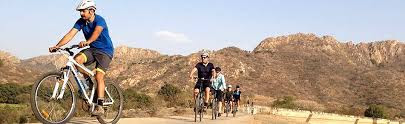
Rajasthan, known for its rich history, vibrant culture, and breathtaking landscapes, offers a truly unique experience for those who choose to explore it by bicycle. Cycling tourism in Rajasthan is a growing trend, and it’s no surprise why—Rajasthan’s diverse terrain, ancient forts, palaces, remote villages, and scenic roads make it an ideal destination for cycling enthusiasts. Whether you're a seasoned cyclist or someone looking to experience the desert landscape at a slower pace, cycling through Rajasthan offers a perfect blend of adventure, culture, and history.

The Appeal of Cycling in Rajasthan

Rajasthan’s vast expanse of desert, dotted with majestic palaces, forts, and lush oases, presents cyclists with a wide range of experiences. From the bustling streets of Jaipur to the tranquil countryside of rural Rajasthan, cycling allows visitors to get up close and personal with the land and its people in a way that is simply impossible in a car. The sense of freedom and connection to the surroundings while pedaling through Rajasthan’s majestic landscapes is an experience like no other.

Cycling tourism in Rajasthan is also an eco-friendly way to explore the state. By riding a bike, you reduce your carbon footprint while gaining an immersive experience in the region’s culture and history. With cycling tours on offer, ranging from easy rides through serene rural landscapes to more challenging routes through rugged terrains, Rajasthan has something to offer cyclists of all skill levels.

Best Cycling Routes in Rajasthan

  1. Jaipur – Amber Fort Loop One of the most popular cycling routes in Rajasthan is the loop between Jaipur and Amber Fort. Jaipur, the Pink City, is known for its vibrant streets, colorful markets, and historic landmarks. The route from Jaipur to Amber Fort, a journey of about 11 kilometers, takes cyclists through the city's lively streets before heading out into more peaceful countryside. As you ride, you’ll pass traditional Rajasthani homes, rural farms, and beautiful palaces like the Jal Mahal. Once at Amber Fort, cyclists are treated to panoramic views of the surrounding hills and the fort's stunning architecture.

  2. Jaisalmer – Kuldhara Village Jaisalmer, the Golden City, is another incredible destination for cycling tours. Known for its sandstone fort, narrow alleys, and desert surroundings, Jaisalmer offers a unique desert cycling experience. A popular route is from Jaisalmer to the abandoned village of Kuldhara, located around 17 kilometers away. The ride takes you through the arid desert terrain, past wind-swept dunes and salt flats. Kuldhara is known for its eerie charm, with its ghost town appearance and historical significance. The ride itself is relatively easy and offers plenty of opportunities to spot local wildlife, such as camels and desert birds.

  3. Udaipur – Kumbhalgarh Fort For those looking for a more challenging ride, the route from Udaipur to Kumbhalgarh Fort provides both a physical challenge and a stunning backdrop. Udaipur, known as the City of Lakes, is famous for its beautiful palaces and lakes. Cycling through the countryside towards Kumbhalgarh Fort—about 85 kilometers from Udaipur—takes cyclists through hills, valleys, and forests, with spectacular views of the Aravalli Range. Kumbhalgarh Fort, a UNESCO World Heritage site, is one of the largest forts in Rajasthan and boasts a massive wall that stretches over 36 kilometers.

  4. Bikaner – Deshnoke (Karni Mata Temple) Another remarkable route is the ride from Bikaner to Deshnoke, home of the Karni Mata Temple, also known as the "Rat Temple." The route is about 30 kilometers long, and cyclists can experience the stunning desert terrain, dotted with camel carts and small villages. The Karni Mata Temple is famous for housing thousands of rats, which are considered sacred by the locals. This unusual site adds a touch of the mystical to the journey, and cycling through Bikaner’s expansive rural landscape provides a sense of Rajasthan’s vastness.

  5. Pushkar – Ajmer Cycling from Pushkar to Ajmer (around 15 kilometers) is another iconic route for cyclists. Pushkar, a spiritual town known for its annual camel fair and the holy Pushkar Lake, is a popular stop for tourists. The ride to Ajmer is relatively short but picturesque, taking cyclists through the dry desert plains, interspersed with rocky hills and scenic farmland. Ajmer itself is home to the famous Ajmer Sharif Dargah, a significant pilgrimage site for people of all faiths, making it a culturally enriching stop on any cycling itinerary.

Cycling Tours and Support

Many tour operators in Rajasthan now offer organized cycling tours, catering to both beginners and experienced cyclists. These tours typically include bike rentals, route planning, accommodation, and a support crew. Guided tours are ideal for first-time cyclists in Rajasthan, as they ensure safety and provide insightful information about the region’s history and culture. Support vehicles are often available to assist cyclists, providing a backup in case of emergencies or fatigue.

For those who prefer to cycle independently, Rajasthan’s roads and routes are relatively easy to navigate, although having a local guide or map is recommended. Cycling through Rajasthan can be a little challenging due to the heat, so it is best to schedule rides during the cooler months, from October to March. Riders should be prepared for long, sunny stretches of road with limited shade, and it’s important to carry plenty of water, sunscreen, and protective gear.

The Cultural Experience of Cycling in Rajasthan

Cycling in Rajasthan offers an unparalleled opportunity to immerse yourself in the state’s rich culture. As you cycle through villages, towns, and cities, you'll encounter local traditions, colorful markets, and warm hospitality. Many cyclists choose to stop at roadside dhabas (small eateries) to sample local Rajasthani cuisine,uch as dal bati churma, s gatte ki sabzi, and sweet treats like ghewar and kalakand.

The slower pace of cycling allows for meaningful interactions with locals. You might pass rural farmers working in their fields or have the chance to chat with shopkeepers in a village market. Rajasthan’s vibrant culture, along with its welcoming people, ensures that every ride is an adventure filled with new experiences.

Thursday, 30 January 2025

Jaipur, Ranthambhore, and Udaipur Tour: A 7-Day Journey Through Rajasthan’s Royal Legacy and Wildlife

  Jaipur, Ranthambhore, and Udaipur Tour: A 7-Day Journey Through Rajasthan’s Royal Legacy and Wildlife

Rajasthan, with its rich history, regal palaces, ancient forts, and vibrant culture, is one of the most captivating destinations in India. A journey through Jaipur, Ranthambhore, and Udaipur offers an unforgettable experience of royal grandeur, wildlife adventures, and scenic beauty. Whether you're a history enthusiast, wildlife lover, or a traveler seeking cultural experiences, this tour will take you through the heart of Rajasthan. Here's a comprehensive itinerary to help you make the most of this remarkable journey.

Day 1-2: Jaipur – The Pink City

Your adventure begins in Jaipur, the capital of Rajasthan and famously known as the "Pink City" due to the distinct pink hue of its buildings. Jaipur is a perfect blend of royal history, art, and architecture, offering a mix of monumental palaces, forts, and colorful markets.

Day 1: Arrival and Exploration

Upon arrival in Jaipur, you’ll be greeted with warm Rajasthani hospitality at your luxury hotel, such as the Taj Rambagh Palace or the Le Meridien Jaipur Resort & Spa. After settling in, spend your afternoon exploring the majestic City Palace. A fusion of Mughal and Rajasthani architecture, this palace complex houses museums, courtyards, and stunning gardens.

Next, head to the Jantar Mantar, an astronomical observatory built in the 18th century, known for its unique instruments used for measuring time and tracking celestial bodies.

Day 2: Palaces, Forts, and Markets

On the second day, start your morning with a visit to the iconic Amber Fort, located on a hilltop. This majestic fort features stunning courtyards, halls, and mirrors, offering a glimpse into the lavish lifestyle of Rajasthan’s royal family. You can either walk up to the fort or enjoy a traditional elephant ride to the top.

In the afternoon, explore the Hawa Mahal (Palace of Winds), an exquisite example of Rajput architecture with intricate latticework. Afterward, wander through the bustling Johari Bazaar, a market known for its jewelry, textiles, and handicrafts. Jaipur’s vibrant markets provide a fantastic opportunity to purchase souvenirs, including traditional Rajasthani fabrics and jewelry.

As the day winds down, enjoy a traditional Rajasthani dinner at one of the local heritage restaurants, where you can savor dishes like dal baati churma and gatte ki sabzi.

Day 3-4: Ranthambhore – A Wildlife Adventure

Ranthambhore, located about 3-4 hours from Jaipur, is one of India’s premier wildlife destinations. Known for the Ranthambhore National Park, it is home to the majestic Bengal tigers, along with various other species of wildlife. It’s a perfect getaway for nature enthusiasts and wildlife photographers.

Day 3: Arrival and Safari in Ranthambhore

Upon reaching Ranthambhore, check into a luxury resort like Sawai Madhopur Lodge or The Tigress Resort. After settling in, take a relaxing evening walk around the property and enjoy the peaceful ambiance of the forest.

In the evening, enjoy a safari in Ranthambhore National Park. This park is famous for its tiger sightings, but it also has a rich variety of flora and fauna, including leopards, deer, crocodiles, and numerous bird species. The safari, led by an expert naturalist, will give you a chance to spot tigers in their natural habitat as well as learn about the conservation efforts in place to protect these magnificent creatures.

Day 4: Morning Safari and Explore Ranthambhore Fort

The next morning, wake up early for a morning safari in the park. The cooler morning temperatures provide a great chance for spotting tigers as they are more active during this time. After the safari, return to your resort for a hearty breakfast and some relaxation.

In the afternoon, explore the Ranthambhore Fort, an ancient fort located within the national park. This UNESCO World Heritage site offers a peek into the region's history and provides panoramic views of the park and surrounding landscapes. The fort’s architecture is also worth noting, as it blends military and Rajput styles.

Day 5-7: Udaipur – The City of Lakes

After your wildlife adventure in Ranthambhore, head to Udaipur, Rajasthan's "City of Lakes," located around 6-7 hours away by road or a short flight from Jaipur. Known for its stunning palaces, serene lakes, and picturesque scenery, Udaipur offers a peaceful respite from the hustle and bustle of city life.

Day 5: Arrival and Lake Pichola

Arriving in Udaipur, check into the luxurious Taj Lake Palace or The Oberoi Udaivilas, two of the most iconic hotels in the city, offering exceptional views of Lake Pichola. After freshening up, take a boat ride on Lake Pichola. The ride offers incredible views of the City Palace and the Jag Mandir Palace, which stands majestically on an island in the lake.

As the sun sets, enjoy the tranquil beauty of the lake and the surrounding hills. The evening boat ride is one of the most romantic experiences in Udaipur, with golden hues reflecting on the water.

Day 6: City Palace, Jagdish Temple, and Saheliyon Ki Bari

On your second day in Udaipur, explore the City Palace, a sprawling palace complex overlooking Lake Pichola. The palace is a fine example of Rajasthani architecture, featuring ornate courtyards, museums, and balconies offering stunning views of the city and lake. Afterward, visit the Jagdish Temple, a beautiful Hindu temple dedicated to Lord Vishnu, and admire its intricate carvings and architecture.

In the afternoon, take a leisurely stroll through Saheliyon Ki Bari, the "Garden of the Maidens," known for its lush green lawns, lotus-filled pools, and fountains. This peaceful garden provides a glimpse into the regal lifestyle of the royal family.

In the evening, experience a traditional Rajasthani cultural performance at one of the local venues, showcasing folk music and dance from the region.

Day 7: Shopping and Departure

On your final day in Udaipur, spend the morning shopping for souvenirs at the Hathi Pol Bazaar or Bada Bazaar, where you can buy colorful textiles, hand-painted pottery, and jewelry. Udaipur is also known for its intricate miniature paintings, which make for a great keepsake.

After shopping, enjoy a final meal at a lakeside restaurant, savoring local dishes such as dal bati churma, laal maas, and ghevar before departing for your next destination.

Wednesday, 29 January 2025

Rajasthan Wedding Venues: A Dream Destination for Your Royal Wedding

              Rajasthan Wedding Venues: A Dream Destination for Your Royal Wedding


Rajasthan, with its majestic forts, palaces, and rich cultural heritage, has long been a dream destination for couples looking to tie the knot in a royal and unforgettable way. The state’s romantic aura, combined with its opulent venues, makes it one of the most sought-after wedding destinations in the world. Whether you're dreaming of an intimate ceremony surrounded by sand dunes, or a lavish affair in a grand palace, Rajasthan offers a variety of wedding venues that cater to all kinds of tastes, budgets, and wedding styles.

1. The Royal Palaces: A Majestic Setting for a Fairytale Wedding

Rajasthan is home to some of India’s most stunning palaces, and these majestic buildings offer a dreamlike setting for any wedding. These venues combine the grandeur of Rajasthan's royal history with modern luxury, offering world-class amenities and an unforgettable experience.

Umaid Bhawan Palace, Jodhpur

One of the most iconic wedding venues in Rajasthan, the Umaid Bhawan Palace in Jodhpur, offers an experience fit for royalty. This magnificent palace, which also serves as a luxury hotel, was built by Maharaja Umaid Singh in the 1940s and is one of the largest private residences in the world. The grand interiors, lush gardens, and sweeping views of the desert create a regal atmosphere that is perfect for a lavish wedding. The palace can host both small, intimate ceremonies as well as large, elaborate celebrations, with the option of a traditional royal wedding or a more contemporary ceremony. The palace also offers a dedicated wedding planning team to help create your dream wedding.

City Palace, Udaipur

Udaipur, known as the "City of Lakes," is famous for its beautiful palaces, and the City Palace stands as a prime example of royal grandeur. Situated on the banks of Lake Pichola, this palace offers sweeping views of the water, the surrounding hills, and the city itself. Its intricate architecture, stunning courtyards, and beautiful gardens make it an ideal setting for a royal wedding. Udaipur also has a rich history of royal weddings, and the City Palace is known for hosting some of the most lavish and luxurious celebrations.

The Jagmandir Palace, located on an island in Lake Pichola, is another excellent choice for couples looking for a destination wedding surrounded by water. This venue offers a serene and romantic ambiance, ideal for intimate ceremonies.

2. Forts and Heritage Venues: A Blend of Tradition and Grandeur

If you're looking for a venue with a strong historical connection, Rajasthan’s forts are perfect for a wedding steeped in culture and tradition. These forts are a blend of ancient grandeur and contemporary luxury, providing a majestic backdrop for weddings that feel both timeless and regal.

Mehrangarh Fort, Jodhpur

Standing tall over the Blue City, the Mehrangarh Fort in Jodhpur offers a breathtaking setting for a wedding. Known for its towering walls, expansive courtyards, and panoramic views of the city, this fort provides a truly majestic experience. The fort’s architecture and rich history add a unique charm to any wedding. The Zenana Deodi and Suryavanshi Mahal are popular venues within the fort for hosting grand ceremonies. These venues can accommodate large gatherings, and the rich history of the fort enhances the sense of regality and grandeur for your wedding.

Amber Fort, Jaipur

Amber Fort, located just outside Jaipur, is one of Rajasthan's most iconic forts. This fort’s rich Rajput architecture, impressive courtyards, and panoramic views make it an exceptional wedding venue. The Sheesh Mahal (Mirror Palace) and the Sukh Niwas offer opulent settings for ceremonies. Hosting a wedding at Amber Fort means you’ll be surrounded by centuries of royal history, offering a unique and unforgettable wedding experience.

Kumbhalgarh Fort, Rajsamand

For a more intimate and less crowded wedding venue, Kumbhalgarh Fort is an excellent option. Located in the Aravalli Hills, this fort is a UNESCO World Heritage site known for its massive walls and stunning surroundings. Its secluded setting amidst the rugged landscape of Rajasthan offers a serene and unique atmosphere for a wedding. Whether you're hosting a royal-style ceremony or a private gathering, Kumbhalgarh’s historic charm will ensure a memorable wedding experience.

3. Desert Venues: A Unique and Serene Wedding Experience

For those looking for something different, Rajasthan’s vast desert landscapes provide a stunning and unique backdrop for a desert wedding. Imagine saying your vows against the endless golden sand dunes and a setting sun. These desert venues offer an entirely different wedding experience that combines nature’s beauty with the romance of Rajasthan.

Sam Sand Dunes, Jaisalmer

Sam Sand Dunes near Jaisalmer is a popular wedding venue for couples looking for a unique desert wedding experience. This venue allows couples to get married in the heart of the Thar Desert, surrounded by towering sand dunes and a clear, starlit sky. Couples can opt for a traditional Rajasthani wedding or a more contemporary ceremony in a desert camp that provides all the luxury and comfort. The desert sunset creates a magical atmosphere, and camel rides are a fun way to celebrate with your guests. The Sam Sand Dunes offer a perfect balance of romance, serenity, and adventure.

Dune Safari Resort, Jaisalmer

The Dune Safari Resort in Jaisalmer is another popular venue for a desert wedding. It offers luxurious tented accommodations and an authentic desert experience. The resort provides several venues to choose from, including outdoor areas with panoramic views of the desert and indoor spaces designed in the traditional Rajasthani style. The warm golden tones of Jaisalmer's architecture and the surrounding desert create a one-of-a-kind atmosphere, ideal for couples seeking a unique wedding setting.

4. Luxury Hotels and Resorts: The Best of Both Worlds

If you're seeking a more contemporary setting with top-tier amenities, luxury hotels and resorts across Rajasthan combine modern luxury with traditional charm. Many of these venues offer lavish settings, impeccable services, and a blend of traditional and modern styles that are perfect for a luxurious wedding.

The Oberoi Udaivilas, Udaipur

Located on the banks of Lake Pichola in Udaipur, The Oberoi Udaivilas is a luxury hotel that combines palatial architecture with modern facilities. The venue offers sprawling lawns, majestic courtyards, and beautiful views of the lake and surrounding hills. With its exquisite setting, personalized services, and world-class amenities, it’s an ideal choice for couples who want to combine a luxurious wedding experience with the grandeur of Rajasthan’s royal heritage.

Taj Rambagh Palace, Jaipur

Another premier venue, Taj Rambagh Palace in Jaipur, exudes the regal charm of a royal palace, offering an unforgettable wedding experience. With its lush gardens, royal interiors, and personalized service, it is one of the top wedding venues in Rajasthan. The palace has hosted numerous royal weddings, making it the perfect place for those looking for a glamorous and opulent celebration.

Monday, 27 January 2025

Customs and Traditions of Rajasthan: A Window into the Royal Heritage

                    Customs and Traditions of Rajasthan: A Window into the Royal Heritage

Rajasthan, the land of kings, is a state known for its rich history, grand palaces, and vibrant culture. The customs and traditions of Rajasthan reflect its royal past, showcasing a blend of regal elegance, artistic brilliance, and strong cultural values. From the colorful festivals to the warm hospitality, Rajasthan's customs provide a unique glimpse into the traditions of the desert region. Let’s explore some of the most distinctive customs and traditions that define the essence of Rajasthan.

1. Traditional Attire

Rajasthan is famous for its distinctive traditional clothing, which not only adds vibrancy to the landscape but also has practical elements, suited to the desert climate.

  • Men’s Attire: Rajasthani men typically wear dhoti (a cloth wrapped around the waist) or churidars, paired with a kurta (a long tunic). During weddings and festivals, they wear a traditional safaa (turban), often adorned with intricate designs or embroidery, signifying respect, honor, and the wearer’s social status. The bandhej or tie-dye fabric is a popular choice for clothing.

  • Women’s Attire: The women of Rajasthan are known for their striking attire, including the ghaghra (a long skirt), choli (a fitted blouse), and odhani (a headscarf or dupatta). The attire is often adorned with vibrant colors, intricate embroidery, mirror work, and beadwork. The style varies between regions, with Leheriya and Bandhani being popular fabric choices, particularly in the western parts of the state.

2. The Royal Tradition of Hospitality

One of the most cherished customs in Rajasthan is the royal hospitality or ‘Atithi Devo Bhava’ (The guest is God). The people of Rajasthan are known for their warm hospitality, and it’s a tradition for guests to be welcomed with a warm drink, often ‘saagri’ (a drink made from yogurt and spices), or ‘pani puri’ (small crispy bites filled with spicy water).

In royal palaces, guests were often treated like royalty, and this custom of treating visitors with respect and honor continues today. Visitors to Rajasthan often find that the locals go out of their way to make them feel at home.

3. Festivals and Celebrations

Festivals in Rajasthan are an expression of the region’s culture and spirituality, and they are celebrated with great enthusiasm. These festivals bring the state's customs and traditions to life, showcasing music, dance, and rituals that have been passed down through generations.

  • Diwali: The Festival of Lights is celebrated with immense joy across Rajasthan. Homes, temples, and streets are adorned with diyas (oil lamps), rangoli (intricate patterns made from colored powders), and fireworks. The markets are full of bright colors, and families come together for prayers and feasts.

  • Teej and Gangaur: These are primarily women-centric festivals celebrated with zeal. Women dress up in their best attire, sing traditional songs, and perform dances. The Teej festival marks the arrival of monsoon and celebrates the union of Lord Shiva and Goddess Parvati. Gangaur, held in March-April, is a time for women to pray for the well-being of their husbands.

  • Makar Sankranti: This harvest festival is celebrated with kite flying competitions, especially in Jaipur and other parts of Rajasthan. People gather on rooftops to fly colorful kites, marking the change of the season and welcoming the harvest.

  • Desert Festival (Jaisalmer): Held annually in February, the Desert Festival in Jaisalmer celebrates Rajasthani culture with camel races, folk music, dance performances, and competitions like turban tying and mustache contests. It’s a lively reflection of Rajasthan's desert traditions.

4. Folk Music and Dance

Rajasthan has a rich tradition of folk music and dance that is an integral part of its culture. These performances are often held during festivals, weddings, and other celebrations, and they showcase the colorful and vibrant life of the desert state.

  • Ghoomar: This is one of the most popular traditional dances performed by women in Rajasthan. The dance is characterized by graceful twirling while wearing brightly colored skirts. It’s commonly performed during festivals like Teej and Gangaur.

  • Kalbeliya: The Kalbeliya dance is performed by the Kalbeliya community, known for their snake-catching skills. The dance is performed to the rhythm of traditional instruments like the dholak and been (a wind instrument), and the performers wear black outfits with mirror work.

  • Morchang and Dhol: The traditional instruments used in Rajasthani folk music, such as the morchang (a type of mouth harp) and dhol (a large drum), are integral to these performances. These rhythms are often accompanied by intense clapping and storytelling.

5. Rajasthani Cuisine

Rajasthani cuisine is as diverse and rich as its culture, known for its bold flavors and use of spices. The food customs in Rajasthan also reflect the state’s royal heritage and desert environment.

  • Dal Baati Churma: This is the quintessential Rajasthani dish that combines dal (lentils), baati (wheat balls), and churma (a sweet crushed wheat dish). The baati is traditionally cooked in a clay oven and served with ghee, making it a rich and satisfying meal.

  • Laal Maas: A spicy mutton curry, often served with roti (Indian flatbread) or rice, this dish is a favorite among meat lovers.

  • Ghewar: A traditional Rajasthani sweet, Ghewar is a disc-shaped dessert made from flour and soaked in sugar syrup, often garnished with pistachios and saffron. It is typically prepared during festivals like Teej and Raksha Bandhan.

  • Ker Sangri: A unique desert vegetable dish made from ker (a wild berry) and sangri (a type of bean), it’s a popular traditional dish in Rajasthan, reflecting the local desert vegetation.

6. Weddings and Rituals

Rajasthani weddings are grand affairs, rich in customs and rituals. They often take place over several days and include a series of ceremonies that are steeped in tradition.

  • Baraat: The groom arrives in a procession with family and friends, often on horseback or in a decorated car, while traditional music fills the air.

  • Phoolon Ki Chadar: This tradition involves the bride being covered with a veil made from flowers, symbolizing her entry into the groom’s home.

  • Mehndi and Sangeet: The pre-wedding ceremonies include mehndi (henna application) and sangeet (a music and dance night), where both families come together to celebrate with songs and dances.

7. Handicrafts and Art

Rajasthan is famous for its vibrant handicrafts, which are a reflection of its rich culture and traditions.

  • Block Printing: The traditional art of block printing on fabric is famous in towns like Sanganer and Bagru. The prints are made using wooden blocks carved with intricate designs, often featuring floral patterns.

  • Blue Pottery: This art form is unique to Rajasthan, with Jaipur being its most famous center. Blue pottery is made using a special technique, with bright blue and green designs on ceramic items such as vases, plates, and tiles.

  • Jaipur Gems and Jewelry: Rajasthan is also renowned for its gemstone jewelry, especially Kundan and Meenakari work, where precious stones are set into gold, silver, or brass.

Sunday, 26 January 2025

Colorful Rajasthan Tourism: A Journey Through Royalty, Culture, and Tradition


           Colorful Rajasthan Tourism: A Journey Through Royalty, Culture, and Tradition


Rajasthan, the land of kings and emperors, is a place where history, culture, and vibrant traditions come together to create an unforgettable experience for travelers. Known for its majestic palaces, towering forts, intricate temples, bustling markets, and colorful festivals, Rajasthan is a destination like no other. The state’s rich heritage is reflected in its art, music, and cuisine, making it a captivating place for tourists. A "Colorful Rajasthan" tour allows visitors to immerse themselves in the region’s charm and diversity, experiencing the true essence of India’s royal past while exploring its modern-day vibrancy. Here's a look at the highlights of a colorful Rajasthan tour.

1. Jaipur: The Pink City

Your journey into Rajasthan starts with Jaipur, often referred to as the "Pink City" due to the unique pink-colored buildings that line its streets. Jaipur is the capital city of Rajasthan and one of the most famous tourist destinations in India. The city is known for its rich history, impressive architecture, and vibrant culture.

Key attractions in Jaipur include:

  • Amber Fort: A stunning blend of Hindu and Mughal architecture, Amber Fort is a majestic hilltop fort that offers panoramic views of the city. Visitors can explore its ornate rooms, courtyards, and gardens, and even take an elephant ride up to the fort.
  • City Palace: Located in the heart of Jaipur, the City Palace is a beautiful blend of Mughal and Rajasthani architecture. It houses museums, courtyards, and gardens, offering a glimpse into the life of Rajasthan's royal family.
  • Hawa Mahal: Known as the "Palace of Winds," Hawa Mahal is a five-story palace with a unique honeycomb structure. Its 953 small windows (jharokhas) were designed to allow royal women to observe street life without being seen.
  • Jantar Mantar: An astronomical observatory built in the 18th century, Jantar Mantar is home to massive instruments designed to measure time, predict eclipses, and study the stars.

Jaipur’s vibrant bazaars are perfect for shopping, where you can buy traditional textiles, jewelry, handicrafts, and spices. The lively atmosphere and colorful shops add to the charm of the Pink City.

2. Udaipur: The City of Lakes

Next on your Rajasthan tour is Udaipur, often called the "City of Lakes." Known for its serene atmosphere, picturesque lakes, and palaces, Udaipur offers a romantic and peaceful setting.

  • City Palace: Overlooking Lake Pichola, the City Palace is a sprawling complex with beautifully decorated courtyards, rooms, and balconies. The palace offers stunning views of the lake and the surrounding Aravalli hills.
  • Lake Pichola: A boat ride on Lake Pichola, especially during sunset, offers an enchanting view of the city and its lakeside palaces, including the stunning Lake Palace, which appears to float on the water.
  • Jag Mandir: Located on an island in Lake Pichola, Jag Mandir is a beautiful palace that offers a glimpse into the opulence of Rajasthan’s royal past.
  • Saheliyon Ki Bari: This beautiful garden, meaning "Garden of the Maidens," is filled with fountains, lotus pools, and lush greenery. It was built for the queen and her attendants and is a peaceful retreat from the city.

Udaipur is also known for its colorful festivals like the Mewar Festival, which celebrates the arrival of spring with music, dance, and traditional rituals.

3. Jaisalmer: The Golden City

Jaisalmer, located in the heart of the Thar Desert, is known as the "Golden City" because of its stunning yellow sandstone architecture. This desert city offers a unique blend of history, culture, and natural beauty.

  • Jaisalmer Fort: The oldest living fort in the world, Jaisalmer Fort is a UNESCO World Heritage site. Built in the 12th century, it is a magnificent structure with temples, palaces, and narrow streets.
  • Sam Sand Dunes: A visit to Jaisalmer is incomplete without experiencing the desert landscape. The Sam Sand Dunes offer a camel ride across the golden sands, where visitors can enjoy the stunning desert sunset.
  • Patwon Ki Haveli: A collection of five havelis, this architectural masterpiece features intricate carvings and is one of Jaisalmer’s most famous landmarks.
  • Gadsisar Lake: A serene man-made lake surrounded by temples and shrines, Gadsisar Lake is a tranquil spot perfect for a boat ride.

The vibrant folk music, dance, and colorful attire of the locals make Jaisalmer a truly magical destination.

4. Pushkar: The Spiritual Haven

Pushkar, a small town in Rajasthan, is known for its spiritual significance and vibrant culture. It is one of the oldest cities in India and has a rich history associated with Hindu mythology.

  • Pushkar Lake: A sacred lake with 52 ghats, Pushkar Lake is a place for pilgrims to take a holy dip and cleanse their sins. The surrounding temples and narrow streets add to the town’s spiritual charm.
  • Brahma Temple: Pushkar is one of the few places in the world where the temple dedicated to Lord Brahma, the creator of the universe, is located. The temple is an important pilgrimage site.
  • Pushkar Camel Fair: The Pushkar Camel Fair, held annually in November, is one of the largest and most colorful festivals in India. The fair attracts thousands of camels, traders, and tourists, who come together to celebrate with music, dance, and competitions.

Pushkar’s vibrant markets are filled with colorful textiles, jewelry, and handicrafts, offering a chance to experience Rajasthani culture at its finest.

5. Mehrangarh Fort in Jodhpur: The Blue City

Jodhpur, known as the "Blue City" because of its blue-painted houses, is home to the imposing Mehrangarh Fort. This magnificent fort offers a fascinating insight into the history and culture of Rajasthan.

  • Mehrangarh Fort: This massive fort, perched on a hill, offers panoramic views of the city. Inside, you’ll find an array of museums, courtyards, and temples, showcasing the region’s royal heritage.
  • Umaid Bhawan Palace: This grand palace is an architectural masterpiece and one of the largest private residences in the world.
  • Clock Tower and Sardar Market: The bustling market in Jodhpur is a riot of colors, filled with spices, textiles, handicrafts, and antique items. The Clock Tower is a prominent landmark in the market area.

6. Festivals and Culture

Rajasthan is famous for its vibrant festivals, including the Jaipur Literature Festival, Pushkar Camel Fair, Desert Festival in Jaisalmer, and Mewar Festival in Udaipur. These festivals showcase Rajasthan’s rich cultural traditions, including music, dance, handicrafts, and cuisine.

The state’s traditional attire, such as the brightly colored turbans, lehengas, and sarees, further add to the colorful atmosphere, making Rajasthan a visually stunning destination.

Saturday, 25 January 2025

Rajasthan Tour by Duration: A Guide to Exploring India’s Royal State


                Rajasthan Tour by Duration: A Guide to Exploring India’s Royal State


Rajasthan, the Land of Kings, is one of India’s most enchanting states, known for its majestic forts, palaces, deserts, vibrant culture, and rich history. Whether you’re a history enthusiast, adventure seeker, or someone looking to soak in the local culture, Rajasthan offers something for every type of traveler. One of the best ways to explore this regal state is by planning your tour based on the duration of your visit. Here, we’ll take a look at some of the top itineraries based on how much time you have, from quick trips to more extensive journeys.

3-Day Rajasthan Tour: A Whirlwind Introduction

If you only have a few days to explore Rajasthan, it’s best to focus on the major cities that are easily accessible and packed with highlights. A 3-day tour will give you a quick yet fulfilling introduction to the state’s royal charm.

Day 1: Jaipur – The Pink City

Start your journey in Jaipur, the capital of Rajasthan. Known as the “Pink City” for its distinct pink-colored buildings, Jaipur is a treasure trove of history and culture. Begin your exploration with a visit to the Amber Fort, a stunning example of Mughal architecture. Don’t miss a chance to ride an elephant up to the fort for an authentic experience. In the afternoon, explore the City Palace, which houses museums and courtyards that offer a glimpse into Rajasthan's royal past. The Hawa Mahal (Palace of Winds) and Jantar Mantar, an astronomical observatory, are must-see attractions too.

Day 2: Jodhpur – The Blue City

Travel to Jodhpur, which is approximately a 5-hour drive from Jaipur. Known as the “Blue City” due to its blue-painted houses, Jodhpur is dominated by the majestic Mehrangarh Fort. Explore the fort’s many palaces, museums, and courtyards, and enjoy panoramic views of the city. In the evening, take a walk around the Clock Tower market and shop for local handicrafts.

Day 3: Udaipur – The City of Lakes

On your third day, head to Udaipur, a 5-hour drive from Jodhpur, known for its stunning lakes and romantic atmosphere. Visit the City Palace, which offers incredible views of Lake Pichola, and take a boat ride to Jag Mandir, a peaceful island palace. The Saheliyon Ki Bari (Garden of the Maidens) and Jagdish Temple are other beautiful landmarks to explore before wrapping up your trip.

5-Day Rajasthan Tour: A Deeper Dive into Royalty

A 5-day tour allows you to explore more of Rajasthan’s iconic cities, including the desert town of Jaisalmer and the architectural wonders of Ajmer and Pushkar.

Day 1-2: Jaipur

Follow the same itinerary for Jaipur as mentioned in the 3-day tour. Jaipur is rich in history, culture, and stunning architecture, so make sure to take your time soaking in the grandeur of the city.

Day 3: Jodhpur

On the third day, travel to Jodhpur, as mentioned above, and explore the Mehrangarh Fort, Jaswant Thada, and Umaid Bhawan Palace. If you have extra time, consider visiting the Mandore Gardens, an ancient garden complex with temples and cenotaphs dedicated to the Marwar rulers.

Day 4: Jaisalmer – The Golden City

Jaisalmer is a 5-6 hour drive from Jodhpur, and this golden city offers a unique experience in the Thar Desert. The highlight is the magnificent Jaisalmer Fort, a UNESCO World Heritage Site, where you can wander through narrow lanes filled with shops and homes. Also, explore the Patwon Ki Haveli, a group of five havelis known for their intricate architecture, and take a camel ride on the Sam Sand Dunes for a true desert experience.

Day 5: Udaipur

On your last day, travel to Udaipur, as mentioned in the 3-day itinerary. Explore its stunning palaces, temples, and lakes, making the most of your day in this picturesque city.

7-Day Rajasthan Tour: The Royal Odyssey

A 7-day itinerary gives you ample time to explore the best of Rajasthan at a leisurely pace, including some off-the-beaten-path destinations that add depth to your journey.

Day 1-2: Jaipur

Start your royal journey in Jaipur, exploring the iconic forts and palaces as described earlier. Don't miss the evening light and sound show at Amber Fort, which brings the history of the fort to life in an entertaining way.

Day 3: Ajmer and Pushkar

Take a day trip from Jaipur to Ajmer (about 2 hours drive), home to the revered Ajmer Sharif Dargah, a holy site for Muslims. Afterward, continue to Pushkar, just a 30-minute drive away, famous for its tranquil lake, the Brahma Temple, and the annual Pushkar Camel Fair. Both towns offer a spiritual experience, with Pushkar being one of the few places in India with a temple dedicated to Lord Brahma.

Day 4-5: Jodhpur

Follow the same itinerary as the 5-day tour for Jodhpur. In addition to the major forts and palaces, consider visiting the Clock Tower Market for some local souvenirs, such as spices, textiles, and jewelry.

Day 6: Jaisalmer

Jaisalmer is a must-see destination for anyone touring Rajasthan. Spend an entire day exploring the Jaisalmer Fort, Patwon Ki Haveli, and Sam Sand Dunes, where you can enjoy a desert safari, watch traditional Rajasthani performances, and savor local cuisine under the starlit sky.

Day 7: Udaipur

Conclude your Rajasthan tour in Udaipur, where you can take a peaceful boat ride on Lake Pichola, visit the City Palace, Jagdish Temple, and explore the Saheliyon Ki Bari. A visit to the Fateh Sagar Lake or a traditional Aarti ceremony by the lakeside adds a serene touch to your journey.

10-Day Rajasthan Tour: An In-Depth Exploration

For those who have 10 days to immerse themselves in Rajasthan’s royal heritage, this extended itinerary covers both the well-known cities and some hidden gems.

In addition to the destinations above, you can visit places like Ranthambore National Park for a wildlife safari and Chittorgarh Fort, one of the largest forts in India, with its impressive ruins and stories of valor.